A Journey Through Time: Unveiling Simit's Rich Heritage
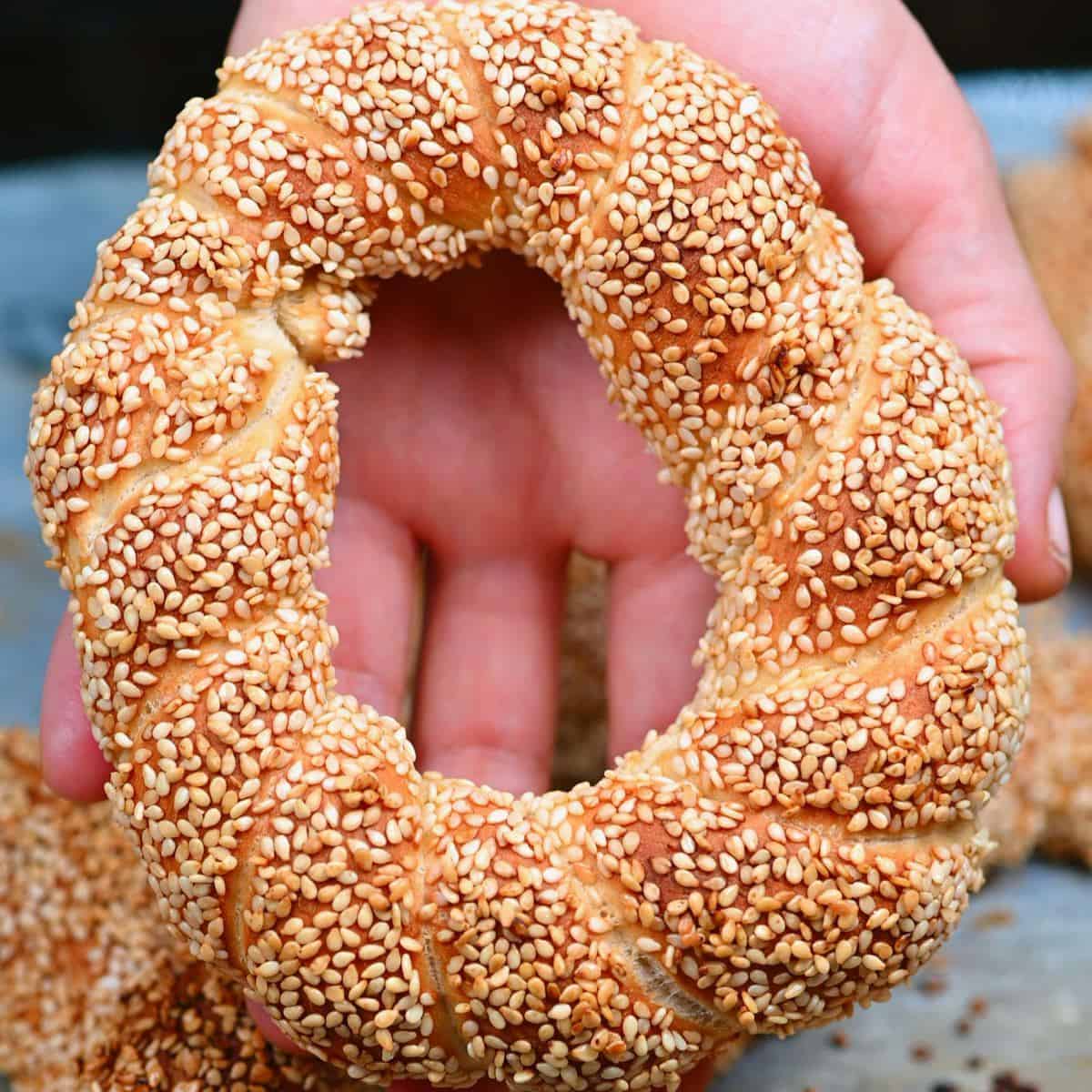
Imagine strolling through the bustling streets of Istanbul, the air filled with the scent of freshly baked bread, a symphony of sounds punctuated by the calls of street vendors. Amidst this vibrant tapestry, one aroma stands out: the warm, nutty fragrance of Simit. Often referred to as the "Turkish bagel," Simit is far more than just a ring of bread; it's a culinary icon, a testament to centuries of tradition, and a beloved staple that holds a special place in the heart of Turkish culture. Its distinct crunchy exterior, soft, chewy interior, and generous coating of sesame seeds make it instantly recognizable and utterly irresistible.
The allure of Simit is so profound that many find themselves eager to recreate its magic in their own kitchens. But before we dive into the delicious details of how to make Simit Turkish bagel, let's embark on a fascinating journey to explore the ancient roots and compelling history that shaped this iconic pastry.
The Etymology and Early Origins of a Culinary Gem
The very name "Simit" offers a glimpse into its deep historical past. It is believed to derive from the Arabic word "samīd" (سميد), meaning "white bread" or "fine flour." This linguistic connection hints at the bread's ancient lineage, suggesting a rich history even before its firm establishment in Turkish cuisine. While "Simit" is the most widely recognized name, this versatile bread boasts various aliases across different regions, reflecting its widespread influence.
- In İzmir, a vibrant city on Turkey's Aegean coast, it's often called "gevrek," meaning "crunchy," a nod to its delightful texture. This variety, while similar to Istanbul's Simit, might feature subtle differences in size or crispness.
- Across the Balkans, in places like Macedonia and Bulgaria, you'll encounter it as "ѓеврек" (gjevrek) or "геврек" (gevrek), further illustrating its diffusion throughout the former Ottoman Empire.
- Beyond Turkey, variations of this sesame-crusted ring bread can be found in Greece, Serbia, parts of the Middle East, Egypt, and Lebanon, each locale adding its unique twist to the classic.
The documented history of Simit in Istanbul dates back to at least 1525. Historical records and artistic depictions provide compelling evidence of its long-standing presence:
- The renowned Ottoman traveler Evliya Çelebi chronicled over 70 bakeries dedicated to producing Simit in Istanbul during the 1630s, highlighting its significant role in the city's daily life even then.
- Oil paintings by Jean Brindesi in the early 19th century vividly portray Simit merchants plying their trade in the bustling streets of Istanbul, a scene that remains remarkably familiar to this day.
- Artist Warwick Goble further cemented Simit's visual legacy with his illustrations of Istanbul street vendors in 1906, cementing its image as an integral part of the urban landscape.
It's clear that Simit's popularity didn't take long to spread, becoming a beloved staple throughout the vast Ottoman Empire and establishing itself as a timeless culinary tradition.
Simit Beyond Bread: A Symbol of Turkish Culture
More than just a delicious snack, Simit is deeply interwoven with the fabric of Turkish daily life and cultural identity. It serves as an accessible and versatile food, enjoyed by people from all walks of life, symbolizing a shared culinary heritage.
The Rituals and Rhythms of Simit Consumption
In Turkey, Simit is often enjoyed simply on its own, its inherent flavor and texture enough to satisfy. However, it also perfectly complements a variety of accompaniments, making it a versatile choice for breakfast, a light lunch, or an afternoon snack:
- With Tea: The most quintessential pairing is with a steaming glass of Turkish tea (çay). The slightly sweet, malty notes of the tea provide a delightful contrast to the Simit's savory crunch.
- Cheese and Olives: A common breakfast or picnic spread includes Simit alongside various Turkish cheeses (like feta-style beyaz peynir or stringy lor peyniri), a selection of olives, and fresh tomatoes and cucumbers.
- Fruit Preserves or Honey: For those with a sweeter palate, Simit can be dipped in fruit preserves, honey, or even chocolate hazelnut spread.
- In the Middle East: In other parts of the Middle East, Simit's versatility shines through as it's often paired with boiled eggs, creating a simple yet satisfying meal.
The iconic Simit street vendor is a cherished sight across Turkish cities. These vendors, often pushing large carts piled high with golden-brown rings, are an integral part of the urban soundscape, announcing their wares with distinct calls:
- "Taze simit!" or "Taze gevrek!" – "Fresh Simit!" to highlight its morning crispness.
- "Sıcak, sıcak!" – "Hot, hot!" for those who prefer their Simit still warm from the oven.
- "Yakıyor!" – "It burns!" for those exceptionally hot batches that might test the hands!
Historically, and even today, Simit is considered an important symbol for the lower and middle classes in Turkey. Its affordability, satisfying nature, and widespread availability made it a democratic food, accessible to everyone, further solidifying its place as a beloved national treasure.
Mastering the Art: How to Make Simit Turkish Bagel at Home
After journeying through its captivating history and cultural significance, it's time to delve into the practical and immensely rewarding experience of baking your own Simit. Many aspiring bakers wonder how to make Simit Turkish bagel, fearing a complex process, but you'll be delighted to know that preparing this type of bread at home is surprisingly straightforward. The beauty lies in its simplicity, utilizing basic ingredients that are likely already in your pantry.
The process of creating that signature Simit taste and texture involves two main components: the dough and the unique coating. The magic truly happens with the molasses bath and the generous cascade of sesame seeds. This combination is what transforms a simple bread ring into the extraordinary Simit, providing that irresistible crunch on the outside while maintaining an incredibly tender and soft interior.
Essential Ingredients for Your Simit Adventure
To embark on your homemade Simit journey, you'll need a few fundamental ingredients:
- For the Dough:
- All-Purpose Flour: The foundation of your Simit. While specialized bread flour can be used for a chewier texture, all-purpose flour works wonderfully, yielding a soft and pliable dough.
- Water: Essential for hydration and activating the yeast.
- Active Dry or Instant Yeast: The leavening agent that gives Simit its airy structure.
- Olive Oil: Adds richness to the dough, contributing to its tenderness and flavor.
- Salt: Crucial for flavor and also plays a role in regulating yeast activity.
- For the Signature Coating:
- Pekmez (Grape Molasses) or a Molasses Substitute: This is the secret to Simit's distinct reddish-brown color, subtle sweetness, and incredible crunch. Pekmez is a thick, dense fruit syrup, most commonly made from grapes, but also figs or mulberries. If pekmez is hard to find, a homemade molasses syrup using dark brown sugar (like muscovado sugar) and water is an excellent alternative, delivering a remarkably similar flavor profile and crunchy texture.
- Sesame Seeds: The final, indispensable element. A generous coating of sesame seeds adheres to the molasses-dipped dough, toasting to perfection in the oven and providing that characteristic nutty aroma and delightful crunch.
Tips for Baking the Perfect Simit
While the ingredients are simple, a few tips can elevate your homemade Simit from good to exceptional:
- Dough Consistency: Aim for a smooth, elastic, and slightly sticky dough. Don't be afraid to knead it thoroughly, either by hand or with a stand mixer, until it passes the "windowpane test" (stretching a small piece thin enough to see light through without tearing).
- Proofing: Allow ample time for the dough to rise in a warm, draft-free environment. This is crucial for developing flavor and achieving a light, airy texture. Depending on your yeast and ambient temperature, this can take 1-2 hours for the first rise.
- Shaping is Key: The traditional Simit shape involves rolling the dough into long ropes, then twisting two ropes together to form a "braided cord" before joining the ends to create the characteristic ring. Practice makes perfect here!
- The Molasses Dip: This step is non-negotiable for authentic Simit. The molasses bath provides the stickiness for the sesame seeds to adhere and is responsible for the dark, shiny, and extra-crunchy crust. Ensure the dip is thin enough for easy coating but thick enough to cling to the dough.
- Sesame Seed Coverage: Be generous! Roll the molasses-dipped rings liberally in sesame seeds, ensuring full coverage for maximum crunch and flavor. You can lightly toast your sesame seeds beforehand for an even deeper, nuttier flavor profile, although this is optional.
- Baking Temperature: A relatively high oven temperature helps achieve that desired crisp exterior quickly, while the interior bakes through to a tender finish.
For more detailed step-by-step instructions and ingredient specifics to guide you through this delightful process, be sure to check out Easy Homemade Simit: Your Guide to Delicious Turkish Bagels and delve deeper into specific techniques for that perfect texture with Bake Simit: Honey Sesame Turkish Bagels, Crunchy & Soft.
From Street Food to Global Delicacy: Simit's Enduring Appeal
Simit's journey from humble origins as a street food in Ottoman Istanbul to a globally recognized delicacy is a testament to its simple perfection. It's a food that transcends social classes, cultural barriers, and even centuries, continually captivating palates with its unique blend of textures and flavors. Whether enjoyed fresh off a street vendor's cart, as part of a lavish Turkish breakfast, or baked with love in a home kitchen, Simit remains a powerful symbol of comfort, tradition, and culinary delight.
The history of Simit is a rich tapestry, woven with threads of ancient etymology, vibrant street life, and the simple joy of sharing good food. Learning how to make Simit Turkish bagel isn't just about following a recipe; it's about connecting with a heritage, understanding a culture, and creating a culinary experience that is both deeply traditional and wonderfully personal. The satisfaction of pulling a tray of warm, golden, sesame-crusted Simit from your oven, with its irresistible aroma filling your home, is truly an extraordinary reward. So, gather your ingredients, embrace the process, and prepare to delight in a piece of Turkey's iconic culinary history.
