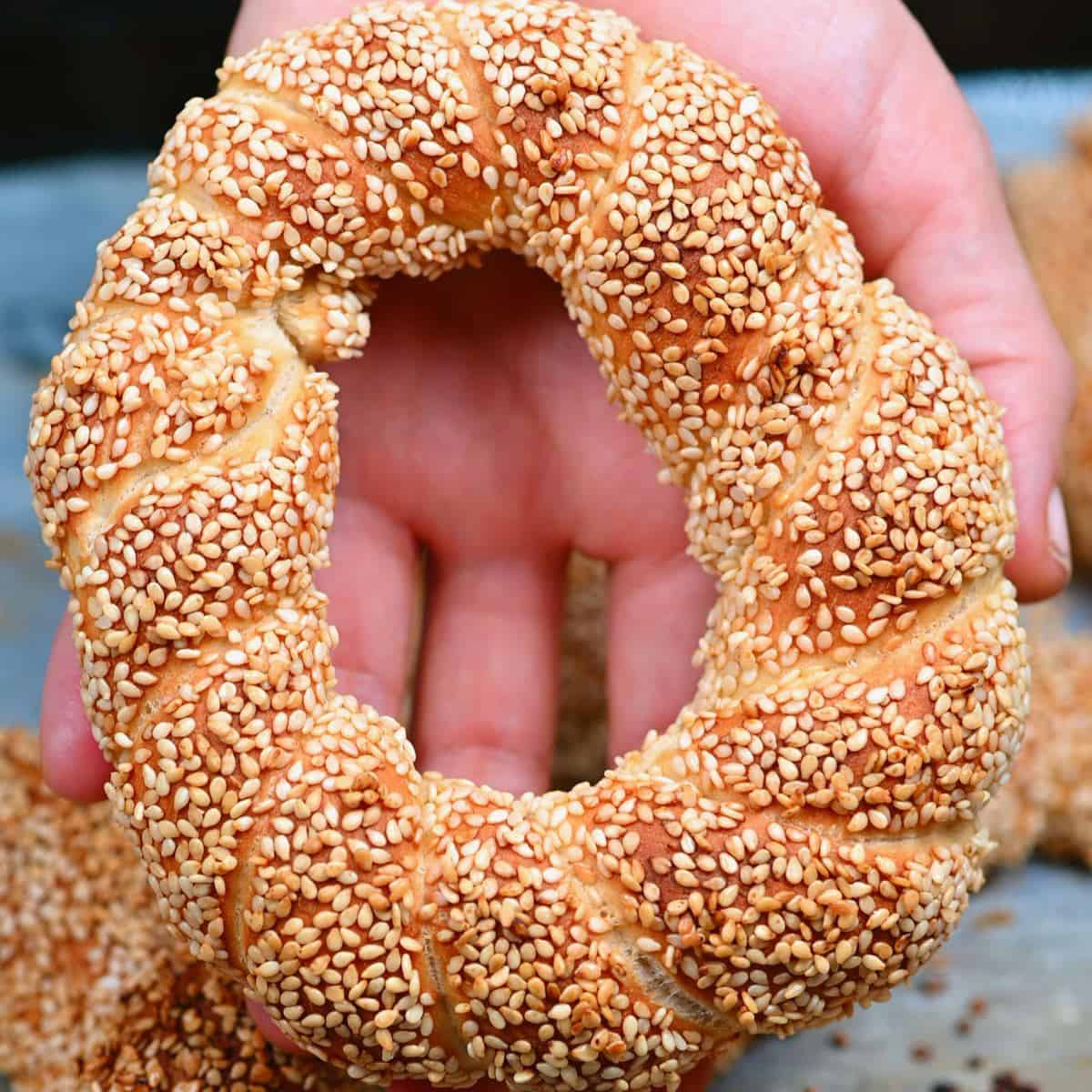
Easy Homemade Simit: Your Guide to Delicious Turkish Bagels
The aroma of freshly baked bread is universally comforting, but few compare to the unique allure of Simit, Turkey's beloved sesame-crusted bagel. Crispy on the outside, soft and tender within, and generously coated in toasted sesame seeds, Simit is more than just a bread; it's a culinary icon, a street food staple, and a symbol of Turkish hospitality. While you might dream of wandering the bustling streets of Istanbul, picking up a warm Simit from a street vendor, the good news is you don't have to travel far. This comprehensive guide will show you exactly how to make Simit Turkish bagel right in your own kitchen, bringing a taste of Turkey directly to your home.
What is Simit? A Journey Through Taste and History
Simit, often called a Turkish bagel, is an iconic ring-shaped bread, distinguished by its crisp, sesame-seed-coated crust and tender interior. More than just a simple snack, it’s a beloved street food and a cultural symbol deeply ingrained in daily Turkish life. Its name, derived from the Arabic "samīd" (fine flour), hints at its ancient roots, which stretch back to Istanbul in 1525. Simit swiftly became popular across the Ottoman Empire, with historical records like Evliya Çelebi's 17th-century travelogue and 19th-century paintings by Jean Brindesi documenting its widespread presence. Cherished throughout the Balkans, Middle East, and Greece, Simit is often enjoyed simply with tea, symbolizing an accessible pleasure. For a deeper dive into its fascinating heritage, explore Simit's Ancient Roots: The History of Turkey's Iconic Bagel.
While known as 'Simit' in most of Turkey, regions like İzmir call it 'gevrek,' meaning 'crunchy,' reflecting local preferences for a crispier texture. Ankara, too, boasts a smaller, even crispier version of this versatile bread. Regardless of the name or regional variation, Simit's characteristic shape, achieved by twisting two ropes of dough, and its molasses and sesame coating remain its defining features.
Why Bake Simit at Home? Unlocking Freshness and Flavor
The allure of a freshly baked Simit is undeniable, and learning how to make Simit Turkish bagel at home offers an immensely satisfying experience. Beyond the pure joy of creating something delicious, homemade Simit guarantees:
- Exceptional Freshness: Enjoy that perfect warm, crispy, and tender texture straight from your oven—an experience rarely matched by store-bought versions.
- Ingredient Control: Choose high-quality ingredients, from your favorite flour to the freshest sesame seeds, and adjust ratios to suit your taste.
- A Rewarding Culinary Adventure: The process itself is a pleasure, transforming simple ingredients into an iconic treat. It’s an approachable bread-making project that yields impressive results.
The core ingredients are surprisingly basic, making it an accessible project for most home bakers. The most unique component is often the molasses or 'pekmez' bath, which gives Simit its signature dark, shiny crust and helps those sesame seeds adhere perfectly. Don't worry if authentic pekmez is hard to find; we'll share an easy homemade alternative that delivers a similar depth of flavor.
Your Essential Guide: How to Make Simit Turkish Bagel from Scratch
Ready to embark on your Simit baking journey? This recipe is designed to be straightforward, yielding delicious, authentic Turkish bagels with that coveted crunchy exterior and soft, fluffy interior. We'll guide you through each step to ensure your success.
Ingredients (Yields 6-8 Simits)
For the Dough:
- 4 cups (about 480-500g) All-Purpose Flour
- 1½ cups (360ml) Warm Water (around 105-115°F / 40-46°C)
- 2 teaspoons Instant Yeast
- 1 teaspoon Sea Salt
- ¼ cup (60ml) Olive Oil
- 2 tablespoons Honey (optional, for a slightly richer dough and enhanced browning)
For the Molasses Bath:
- ½ cup (120g) Grape Molasses (Pekmez) or homemade dark sugar syrup (see tip below)
- ½ cup (120ml) Water
For Coating:
- 1 cup Sesame Seeds, untoasted (or lightly toasted for deeper flavor)
Tip for Homemade Molasses Syrup: If authentic grape pekmez is unavailable, you can create a fantastic alternative by dissolving 115g (about ½ cup packed) dark muscovado sugar (or dark brown sugar) in 90g (about ¼ cup + 2 tbsp) warm water. This provides a similar depth of flavor, color, and stickiness crucial for Simit's crust.
Instructions:
- Combine Dry Ingredients: In the bowl of a stand mixer fitted with a dough hook (or a large mixing bowl if kneading by hand), combine the flour, instant yeast, and sea salt. Mix briefly to ensure even distribution.
- Add Wet Ingredients: Pour in the warm water, olive oil, and honey (if using). Mix on low speed until a shaggy dough forms and all flour is incorporated.
- Knead the Dough: Increase the mixer speed to medium-low and knead for 8-10 minutes until the dough is smooth, elastic, and pulls away cleanly from the sides of the bowl. If kneading by hand, turn the dough out onto a lightly floured surface and knead vigorously for 10-15 minutes until it is pliable and smooth.
- First Rise: Lightly oil a clean bowl. Place the dough inside, turning once to coat all surfaces. Cover the bowl with a damp kitchen cloth or plastic wrap. Let it rise in a warm place for 1-2 hours, or until it has visibly doubled in size.
- Prepare the Molasses Bath and Sesame Seeds: While the dough is rising, prepare two shallow dishes. In one, whisk together the ½ cup grape molasses (or your homemade sugar syrup) and ½ cup water. In the other, spread out the 1 cup of sesame seeds. Preheat your oven to 400°F (200°C) and line two baking sheets with parchment paper.
- Divide and Shape the Dough: Once risen, gently punch down the dough to release the air and turn it out onto a clean surface. Divide the dough into 12-16 equal pieces (this will yield 6-8 Simits, as each Simit is made from two ropes). To form a Simit, take two pieces of dough and roll each into a long, thin rope, about 18-20 inches (45-50 cm) long. Lay the two ropes parallel, then gently twist them together to create a distinctive braided cord. Pinch the ends together firmly, then bring the two ends of the twisted rope together to form a ring, securely pinching them to seal. Repeat this process for all remaining dough pieces.
- Dip and Coat: Carefully dip each shaped Simit into the molasses bath, ensuring it's fully coated. Let any excess liquid drip off for a moment. Then, immediately transfer the Simit to the dish of sesame seeds, pressing gently to ensure a generous coating on all sides.
- Bake the Simits: Place the coated Simits on the prepared baking sheets, leaving some space between them. Bake for 15-20 minutes, or until they are beautifully deeply golden brown and boast a wonderfully crisp exterior. The exact baking time may vary depending on your oven and the thickness of your Simits, so monitor them closely.
- Cool and Serve: Transfer the baked Simits to a wire rack to cool slightly. They are best enjoyed warm, ideally on the same day they are baked, to truly savor their fresh crunch and tender interior.
For more detailed insights into perfecting your homemade Simit, including variations and troubleshooting tips, be sure to check out Bake Simit: Honey Sesame Turkish Bagels, Crunchy & Soft.
Beyond the Oven: Serving and Savoring Your Simit
The versatility of Simit is one of its greatest charms. Traditionally, it's enjoyed simply on its own with a hot cup of Turkish tea. The delightful crunch giving way to a soft interior makes it satisfying even plain.
However, its subtle yet rich flavor profile also makes it a fantastic canvas for various accompaniments:
- Classic Breakfast: Serve with an assortment of Turkish cheeses (like feta or kashkaval), sliced tomatoes, cucumbers, and olives for a complete Mediterranean spread.
- Sweet Indulgence: Spread with fruit preserves, honey, or a dollop of clotted cream (kaymak) for a delightful treat.
- Savory Pairings: Excellent with creamy dips such as hummus, muhammara (roasted red pepper dip), or a spicy chili spread. In some parts of the Middle East, it’s also common to serve Simit with boiled eggs.
- Quick Sandwich: Slice it horizontally and fill with pastırma (cured beef), sucuk (spicy sausage), or grilled halloumi for a unique and satisfying sandwich.
Whether you enjoy it plain or dressed up, the experience of a warm, homemade Simit is truly special. The satisfying crunch of the exterior giving way to a soft, airy crumb is simply extraordinary.
Troubleshooting & Tips for the Perfect Simit
Mastering how to make Simit Turkish bagel comes with practice, but a few key considerations can ensure consistently perfect results:
- Patience with Proving: Allow sufficient time for the dough to rise. A slow, steady rise builds flavor and improves texture. If your kitchen is cool, find a warmer spot, or even use your oven with just the light on to create a cozy environment.
- Thorough Kneading: Proper kneading is crucial for developing gluten, which gives Simit its characteristic chewiness. Don't skimp on this step, as under-kneaded dough will result in a dense, tough Simit.
- Molasses Application: The molasses bath is key for both color and sesame adhesion. Ensure good, even coverage. If your sesame seeds aren't sticking well, your molasses bath might be too diluted, or the Simit surface too dry.
- Quality Sesame Seeds: Use fresh, good-quality sesame seeds. While the recipe uses untoasted seeds, lightly toasting them in a dry pan before coating can enhance their nutty flavor significantly. Just ensure they are completely cool before use.
- Keep it Fresh: Simit is truly best consumed on the day it's baked. If you have leftovers, they can be lightly reheated in a toaster or oven to regain some of their coveted crispness, though they won't be quite the same as fresh.
Learning how to make Simit Turkish bagel is a rewarding journey that connects you to centuries of culinary tradition. From its humble origins to its status as a beloved street food, Simit embodies a simple yet profound deliciousness. With this comprehensive guide, you now have all the tools and knowledge to recreate this iconic Turkish treat in your own kitchen. Gather your ingredients, embrace the process, and prepare to delight your senses with the unparalleled taste and texture of your very own homemade Simit. Afiyet olsun! (Bon appétit!)
